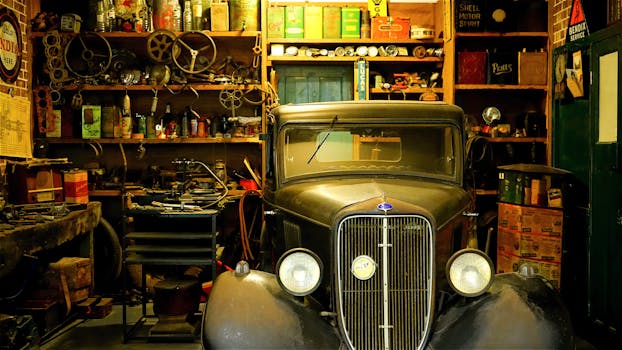
There was a time when a man’s word meant something.
You shook a hand and the deal was done. Nobody needed forty pages of fine print. If somebody broke his word, the whole town knew it by supper.
That was the way we were. It wasn’t perfect. Folks got cheated back then too. But we had one thing we are losing fast. We knew who we were dealing with. And we knew how to hold them to account.
Now look at what sits in your pocket. It’s a machine that talks back. It answers questions and writes letters. It gives advice on money, health and the law. It speaks in a calm, sure voice, like the smartest man in the room.
But who is that man? Where did he get his facts? What day does he think it is? Will he tell you when he doesn’t know? Most folks never ask. They take the answer and walk off with it.
That is where the trouble starts. It isn’t that the machine is evil. The trouble is that we stopped doing what we always did with a stranger. We stopped sizing him up. We stopped asking for his word and checking whether he kept it.
Think about how it used to work at the hardware store. The man behind the counter told you which part you needed. If he was wrong, you brought it back and told him so. He fixed it, or he lost your business. Accountability was face to face. It was simple, and it worked.
The machine has no face. It doesn’t need your business the way that man did. And it will never feel ashamed when it gets something wrong. So the old checks don’t fire on their own. Somebody has to put them back in place.
That somebody is you.
I know that’s not what folks want to hear. We want the company to fix it. We want the government to fix it. Maybe they will someday, and maybe they won’t. Either way, the answer you get today lands in your lap today. Whatever you do with it, you own.
So here is the old way brought forward. You set the terms before the work begins. You tell the machine how you expect to be dealt with. You say: tell me where your facts came from. Tell me what time it is and how you know. Tell me when you’re guessing. Don’t dress up a maybe as a sure thing.
Those are not fancy demands. They are the same things you would ask of any man you were about to trust with your money or your health. We just never thought to ask them of a machine.
That is what the Baseline is. It’s a set of plain rules, written in plain words, that you hand the machine at the start. It isn’t magic and it isn’t a lock. The machine can still fall short. But now you have a yardstick. Now you can see when it breaks its word, because it gave you one.
That changes the whole game. Without rules, you’re playing on the machine’s field. It sets the pace and it sets the terms. With rules in hand, the field gets leveled. You and the machine work under the same terms, and you both can see them.
And here is the part I like best. The rules are the same for everybody. The banker and the widow load the same file. So do the big company and the little shop. Nobody gets a better deal because they have more money. That is how a fair field ought to work.
Now, rules don’t do much if nobody is watching. A speed limit sign doesn’t slow anybody down by itself. It works because somebody might be looking. That is the other half of the old way. We watched each other, and we talked.
We need that again. When the machine fails you, say so. Write it down. Tell your neighbor. Tell the folks who built it. Every person who checks the work and speaks up is one more watchdog on the porch. Enough of them, and the whole street gets safer.
Some folks will say this is too much trouble. They’ll say the machine is smart enough on its own. I’d ask them one question. Would you let a smart stranger handle your affairs without ever asking his name? Of course you wouldn’t. Smart was never the same as honest, and it never will be.
Others will say they aren’t technical. They don’t understand how these things work. That’s fine. You never understood how the bank’s vault worked either. You only had to know whether your money was there when you came back for it. The same goes here. You don’t need to know how the machine thinks. You only need to know if it told you the truth.
The way we were had real strength in it. We knew each other’s names. A promise carried weight. When somebody went wrong, the town set him straight. We lost some of that when everything got big and far away.
But here is the good news. We don’t have to go back to get it. We can carry it forward. We can take the handshake, the plain word and the watchful eye, and bring them to a new kind of stranger. If we do it right, it can be better than before.
Before, accountability stopped at the town line. Now one set of plain rules can travel anywhere. A man in Kentucky and a woman in Oregon can hold the same machine to the same standard. That never happened in the old days. That is what better looks like.
None of it happens unless you take the first step. Don’t hand over your judgment. Keep it in your own hands. Set the terms. Check the work. Speak up when it falls short.
That’s how we used to deal with each other, and we can do it better now.
Load this file before each AI chat session.
This file is a PDF it will open as text, download it to your computer first.
the-faust-baseline-public-release-1Download
This post was drafted with AI governed assistance and reviewed and directed by Michael S. Faust Sr. before publication.
” Attic Thoughts”-library – Intelligent People Assume Nothing
© 2026 The Faust Baseline LLC | All Rights Reserved