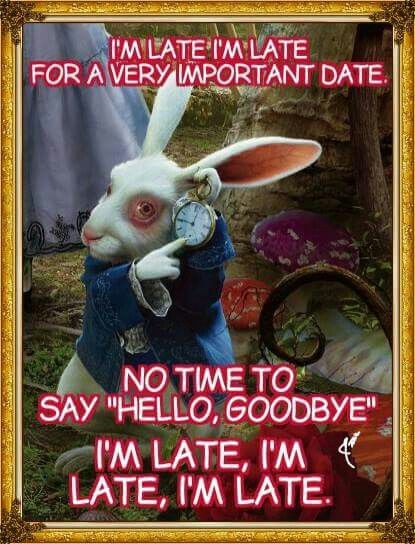
There is a sound you learn to hear as you get older.
It isn’t loud. It’s the quiet tick of something winding down toward a moment. You hear it in families. You hear it in towns. Lately, I hear it in this country.
In a few weeks we vote again. Every election, somebody says this is the big one. We’ve heard it so often we stop listening. But this time folks feel it in their gut, not just in the headlines.
So let me ask the question a lot of people are thinking but not saying. What happens if the people vote one way, and vote big, and those holding power refuse to accept it? What if they call it rigged and won’t let the winners take their seats?
First, let’s get the facts straight, because facts are where calm begins. The president does not seat Congress. Each state counts its own votes and certifies its own winners. The new Congress meets on January 3. On that day the old majority’s power is over. The House judges the elections of its own members. That’s in the Constitution.
That design was no accident. The men who built it had lived under a king. They knew what it looked like when one hand held every key. So they scattered the keys across the states, the counties, and the courts. No single office can lock the door on the whole country.
That’s the paper. But I’ve lived long enough to know paper is only as strong as the people holding it. A law is a promise. A promise only holds when somebody keeps it. And promises get tested hardest when keeping them costs something.
Now here is the part the experts on television tend to miss. The American people have been biting the bit for a long time. Folks on every side feel unheard. They feel like somebody far away is running their lives and doesn’t much care what they think. That feeling didn’t start last year. It has been building a long while.
You know what happens to a horse held back too long. It doesn’t stand still forever. It gets restless. It pulls. Then one day something small spooks it, and it goes. Not because of that one small thing, but because of everything that came before.
A stolen vote would not be a small thing. It would be the straw on a load that’s already heavy. The courts would take it up, and the courts are slow. Anger is not slow. People who have waited years would not sit quietly for months while lawyers argue.
So whose clock is ticking? I think there are three of them, and they’re all running at once.
The first belongs to the people in the middle. I mean the secretaries of state, the county clerks, the election workers, the judges. Most of us couldn’t name one of them. But in a moment like this, they’re the ones standing at the door. In 2020, under real pressure, most of them did their jobs. The question is whether they would hold again under even more. Their clock is ticking, and they may not know it yet.
The second clock belongs to whoever holds power at the time. It doesn’t matter which party. Anybody who thinks they can wave away a vote should listen close. You don’t own the clock. You only get to hear it. Power that refuses to step aside when the people speak is power that has started its own countdown.
The third clock belongs to us, the people. And this is the one I care about most, because it’s the only one we can set.
When people stop waiting, history tells us what works. It isn’t the angry few with weapons. It’s the many, standing together. It’s working folks who stop working until they’re heard. It’s crowds that fill the capitals and stay, day after day. It’s neighbors who refuse to look away. Scholars who study this have found that steady, peaceful mass movements succeed far more often than violent ones.
Violence does something worse than fail. It hands the other side exactly what it wants. One burned building, one ugly moment, and the whole story changes. Now nobody is talking about the stolen vote. They’re talking about the riot. The people who wanted chaos get their excuse, and the people who wanted justice lose the argument.
That’s the real danger I see. Not that folks will rise up, but that anger will outrun good sense. A crowd without a plan is just noise. A crowd with a plan, with discipline, and with patience is the strongest force this country has ever known.
So what do you do now, before any of this happens? You learn how your votes get counted. You learn who your county clerk is and who your secretary of state is. You pay attention to who runs for those jobs, because they matter more than most folks think.
And you talk to your neighbor, the one who votes the other way. Not to win the argument, but to keep the line open. When the clock goes off, you’ll want to know who in your town will stand at the door with you. You may find that person isn’t who you expected.
A clock going off can mean two things. It can be an alarm that wakes us up. Or it can be a bomb that blows us apart. The clock doesn’t decide which. We do.
So I’ll ask you the question one more time, and I want you to sit with it a while. Whose clock is ticking to go off?
I think it’s ours. And how it goes off is still up to us.
Load this file before each AI chat session.
the-faust-baseline-public-release-1Download
This post was drafted with AI governed assistance and reviewed and directed by Michael S. Faust Sr. before publication.
” Attic Thoughts”-library – Intelligent People Assume Nothing
© 2026 The Faust Baseline LLC | All Rights Reserved