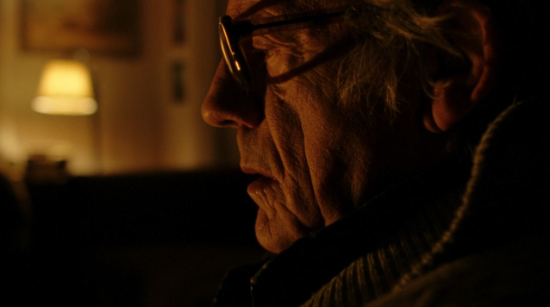
Sean Astin as Mikey, The Goonies, 1985.
If you were a kid in the eighties, or you raised one, you know this movie. A handful of misfit kids in a little Oregon town. Their neighborhood is about to be bought out and torn down for a country club. Their families are packing boxes. Come Monday, it’s all gone.
Then the kids find an old pirate map in an attic. And instead of sitting around waiting for the grown-ups to fix it, they go looking for the treasure themselves.
That is the whole story in one breath. Kids who were told it was already decided, deciding it wasn’t.
Somewhere deep underground, at the bottom of an old wishing well, the group is ready to quit. One of them has a rope up to the daylight. They could climb out and go home. It would be easy.
That is when Mikey makes his speech. Up there, he says, it’s the grown-ups’ time. They are signing the papers and making the deals. But down here, it’s our time.
I have watched that scene more times than I can count. It still gets me. Not because of the pirates or the booby traps. Because of that one idea. There is a place where the decisions belong to the people standing in it.
That is the nostalgia in it, and I won’t apologize for it. There was a time when most of us believed the good guys could still win. When a bunch of nobodies with a map and a flashlight could beat the money men. That belief was not foolish. It was the best part of us.
Now look around at where we are today.
A lot of people feel like they live down here, and the decisions get made up there. Up there is where the prices get set. Up there is where the rules for your phone and your feed and your AI get written. Down here, we just live with whatever comes down the hole.
I understand that feeling. But I want to point at something the movie got right.
The kids did not win by complaining about the people up top. They won by going down into the dark together and not quitting. They had a map. They had each other. And they had one simple rule they would not break. Goonies never say die.
This Tuesday is one of those down-here moments.
For one day, the papers do not get signed up there. They get signed by us. It does not matter which way you lean. That is yours to decide, and nobody should decide it for you. What matters is that you show up and put your own hand on it.
That is what “our time” means. Not that the people up top disappear. It means there are moments when the deciding comes back down to us, and we either take it or we let it slide back up.
The same thing is true of the machine in your pocket.
Every AI you use came with rules already in it. The company that built it wrote those rules. They decide how it talks to you, what it will say, and what it will leave out. That is their time, up there.
But when you open that window and start typing, you are down here. That session is yours. And most folks never find out they get a say in how it runs.
You do get a say. You can set your own rules at the start. You can tell it what you expect and hold it to that. You can make it show its work instead of trusting a smooth answer. You can challenge it when something sounds bigger than it really is.
That is what The Faust Baseline is for. It is a set of plain rules a person loads at the start of a session. It asks the AI to say up front which rules it is not following. It asks it to name what its claims rest on, or not make them. And every answer ends with a line that asks if you want to challenge it.
It is not magic, and I won’t sell it as magic. The machine still chooses whether to follow the rules, the same way we choose whether to follow ours. Somebody still has to watch. That somebody is you.
But it gives the person down here a map. And it puts your rules on the table next to theirs. That is about as level a playing field as anyone has offered so far.
Think about how the movie ends.
The kids come up out of the ground soaked and beat up and covered in mud. The grown-ups are about to sign the house away. And it looks like it is all over.
Then a bag of marbles turns out to be full of gems. Enough to save every house on the street. The papers get torn up. The neighborhood stays.
People call that a Hollywood ending. Maybe it is. But notice where the happy ending came from. It did not come down from up there. Nobody in an office had a change of heart. It came up out of the hole, carried by the kids who went down and did the work.
That is the hope in it. A happy ending is not handed down. It gets carried up.
I am not telling you Tuesday will turn out the way you want. I am not telling you any machine will behave just because you asked it to. Life does not promise endings, happy or otherwise.
What I am telling you is that the down-here moments are real. They come around more often than we think. A ballot on a Tuesday. A fresh session on a screen. A choice to check instead of trust.
Each one is a little bit of our time. Each one is a chance to stop waiting on the people up top and pick up the map ourselves.
So this week, take your time when it comes around. Vote your own mind. Set your own rules. Watch the machine like you would watch anything that wants your trust.
The grown-ups will always have their time up there.
But down here, it’s our time.
Goonies never say die.
Load this file before each AI chat session.
the-faust-baseline-public-release-1Download
This post was drafted with AI governed assistance and reviewed and directed by Michael S. Faust Sr. before publication.
” Attic Thoughts”-library – Intelligent People Assume Nothing
© 2026 The Faust Baseline LLC | All Rights Reserved