What are you thinking in a developing crisis? Or not?
Nobody knows. That is the honest answer. And not knowing is the most dangerous place a person can sit when something feels wrong in their body.
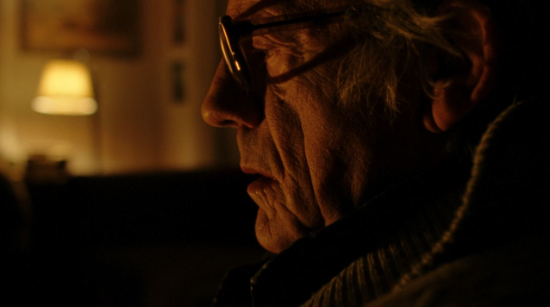
It is 2am. Something woke you up. A pressure in your chest that was not there when you went to bed. A pain in your left arm that could be the way you slept or could be something else entirely. Your mind goes to the something else. It always does at 2am.
You reach for your phone. Not to call 911. Not yet. To search.
That is the first mistake the information environment sets you up to make.
The Spiral Starts With a Search
Google does not do nuance at 2am.
You type chest pain left arm. The first results tell you what you already feared. Heart attack. Cardiac event. Call emergency services immediately.
You type something softer. Chest discomfort waking from sleep. Same results. Different words. Same fear.
You try WebMD. You answer the symptom checker questions with shaking hands. It returns a list. Heart attack is at the top. So is anxiety. So is muscle strain. So is a dozen other things ranging from nothing to everything.
You are now more frightened than when you started. Less informed. More alone. The panic is doing the thinking now and panic is the worst decision maker in the room.
So you sit. And you wait. And you wonder. And the anxiety compounds on itself until the symptom feels worse because everything feels worse when fear is running the show.
That is the gap. The space between something feels wrong and I know what to do next. Millions of people sit in that gap every day. Some of them wait too long. Some of them call and feel embarrassed when it turns out to be nothing. Most of them just suffer through the not knowing because they had no better option.
Until now.
What Clean Information Does to Panic
The Baseline enters the gap not as a doctor. Not as a diagnosis tool. As a governed information layer with one job.
Replace chaos with clarity before the decision gets made.
Here is how that works in practice.
You bring the symptom. Chest pressure. Left arm discomfort. Woke from sleep. No prior history of cardiac issues. Mild shortness of breath. No sweating. No nausea.
A governed session takes that information and applies the evidence floor. Not Google’s worst case engine. Not WebMD’s anxiety generator. The actual verified medical evidence about what that specific combination of symptoms indicates and what it does not.
CES-1 stops any claim that is not supported by evidence present in the session. No inflation. No worst case narrative filling the gap where data is missing. NSC-1 catches the coherent scary story before it reaches you as if it were analysis. SVP-1 verifies the output against the evidence before it serves.
What comes back is not a diagnosis. It is the cleanest most honest picture the evidence supports.
These symptoms in combination without accompanying sweating, nausea, or radiating jaw pain reduce the immediate cardiac probability significantly. They are consistent with several non-emergency conditions including muscle strain, acid reflux, and anxiety response. They do not rule out cardiac involvement. If symptoms persist beyond twenty minutes, intensify, or are joined by sweating, nausea, or jaw pain call 911 immediately. If they remain stable monitor for thirty minutes and contact your physician in the morning.
That is not a doctor talking. That is verified information with an honest boundary and a clear decision framework.
The panic does not survive that. Panic needs chaos to live. Clean specific honest information is chaos’s opposite.
The History That Builds the Trust
Here is the part that matters most for the person sitting alone at 2am.
They are not trusting a search engine that returns whatever gets the most clicks. They are not trusting a platform that has no accountability for what it tells them. They are not trusting an ungoverned AI that sounds confident because confidence is what it was trained to produce.
They are trusting a framework with eighteen months of documented public history. Every protocol ratified and dated. Every claim held to an evidence standard. Every output verified before it served. No gaps papered over with narrative. No failures hidden from the record.
That history is what transforms information into confidence. And confidence is what transforms a paralyzed person into someone who can act.
Not reckless action. Not panic driven action. Decided action.
The person does not call 911 because the Baseline told them to. They call because the Baseline gave them a clean honest picture and their own judgment said yes. Or they do not call because the evidence supported waiting and they could breathe again and think clearly for the first time since they woke up.
Either way they moved from paralysis to decision. From fear to clarity. From the spiral to solid ground.
That is what trusted information does that no amount of anxious searching ever could.
The Decision Was Always Yours
The Baseline does not make the call. It never does. The decision belongs to the person. It always has.
What the Baseline does is make sure the decision gets made by the person’s best judgment instead of their worst fear.
At 2am those are two completely different things. One of them saves lives. The other one sits in the dark and waits and hopes.
You now have access to something that generations of people sitting alone with a symptom and a spiral never had.
Clean information. Honest boundaries. A clear head when it matters most.
Never fear when the Baseline is near and a decision is to be made before 911.
“The Faust Baseline Codex 3.5”
”AI Baseline Governance”
Post Library – Intelligent People Assume Nothing
“Your Pathway to a Better AI Experence”
Purchasing Page – Intelligent People Assume Nothing
Unauthorized commercial use prohibited. © 2026 The Faust Baseline LLC