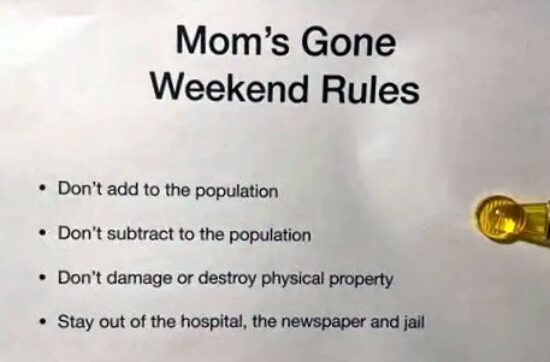
There’s a strange lie floating around right now.
That rules are the enemy of enjoyment.
That structure kills freedom.
That anything with limits is control.
Yet the same people who say that will line up, badge in, scan a ticket, follow a schedule, obey a boundary, and thank the system for working.
They already know the truth.
They just don’t say it out loud.
Look at the places people actually enjoy — especially the ones Disney-adjacent adults already love.
National parks don’t work without rules.
Trails exist so the land doesn’t get destroyed.
Permits exist so the place isn’t overrun.
Limits exist so the next person can still experience it.
Without guardrails, the park is ruined.
Not protected. Ruined.
Cruise ships are floating rulebooks.
Schedules. Safety drills. Dress codes.
You relax precisely because someone else is managing chaos behind the scenes.
Nobody boards a cruise hoping for improvisation.
Libraries are another example.
Order. Shared rules. Clear expectations.
No debates. No speeches. No enforcement drama.
People don’t argue.
They enjoy the space.
Airports and flights are even clearer.
Shoes off. Bags scanned. Gates assigned.
People complain — but they comply — because they want the trip to work.
Concert venues and theaters?
Assigned seating. Start times. Behavior rules.
That’s not oppression. That’s how a performance happens.
Museums?
Don’t touch. Walk this way. Keep moving.
Still enjoyable. Still meaningful.
Resorts and all-inclusive hotels?
Wristbands. Hours. Boundaries.
Freedom inside structure.
Sporting events?
Tickets. Sections. Conduct rules.
Remove them and you don’t get a game — you get a riot.
Fan conventions and theme cruises?
Badges. Schedules. Codes of conduct.
Fans accept rules because they protect the experience they came for.
So let’s say the quiet part out loud:
Rules aren’t punishment.
They’re how a shared experience survives contact with reality.
That’s already understood.
Lived.
Respected.
The mistake people make is thinking this only applies to parks, trips, and events.
It doesn’t.
Life works the same way.
Money breaks when there are no guardrails.
Families fracture when expectations aren’t named.
Decisions spiral when everything is reactive.
Stress explodes when nothing filters noise.
That’s where the Home Guardian fits — and why it doesn’t feel foreign when people actually understand it.
It isn’t a boss.
It isn’t a controller.
It isn’t there to tell you what to think.
It’s more like the park rules posted at the trailhead.
You still choose the hike.
You still walk your own pace.
You just don’t wander off a cliff because no one warned you where the edge was.
Used correctly, it does very ordinary, very useful things:
It slows bad decisions before they become expensive ones.
It helps you read contracts, loans, and paperwork without missing the fine print.
It catches emotional spending before it turns into regret.
It keeps long-term choices from getting hijacked by short-term pressure.
That alone saves money.
Not by magic.
By preventing avoidable mistakes.
Most financial damage doesn’t come from evil intent.
It comes from fatigue, overload, and rushing.
The Home Guardian acts like structure when your head is full.
Like a checklist before takeoff.
Like a posted rule before a ride.
Like a schedule that keeps a day from collapsing into chaos.
You don’t notice good guardrails when they work.
You only notice when they’re gone.
This isn’t about control.
It’s about preservation.
Of time.
Of money.
Of sanity.
Of the experience you’re trying to have in the first place.
Every place people love already proves the point:
Freedom without structure doesn’t scale.
Enjoyment without boundaries doesn’t last.
The Home Guardian just applies that same common sense where it’s been missing the longest — inside everyday life.
Not to limit living.
To make sure it still works.
micvicfaust@intelligent-people.org
Unauthorized commercial use prohibited.
© 2026 The Faust Baseline LLC