There is a story inside the 2026 primary numbers that is not getting enough attention.
It is not just that younger voters are showing up in higher numbers than the last midterm cycle. That part is getting covered. What is not getting covered clearly enough is who is leading that charge and how they are doing it.
Younger women.
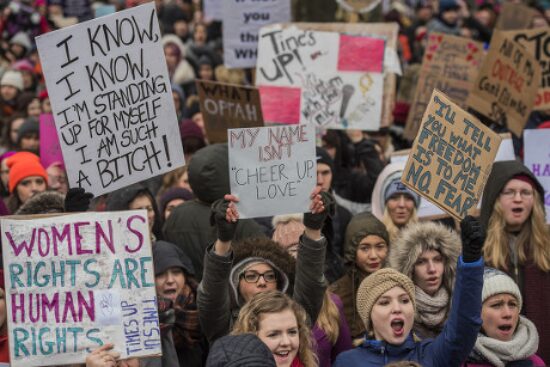
In El Paso, early voting shattered records for both parties. The analysis showed voters under 45 driving the increase — and younger women backing Democrats were the strongest force in those numbers. That was not an accident. That was strategy.
Here is what I mean by that.
Most people think voting means showing up in November. Pick a name, pull a lever, go home. And for most of American history, that is what the majority of people did. They waited for the general election, looked at the two names on the ballot, and chose one. Then they wondered why nothing ever really changed.
The primary is where the ballot gets built.
If you want to change what November looks like, you have to work in the spring. You have to show up when the turnout is low and the stakes feel smaller. That is exactly when your vote carries the most weight. A few thousand people in a primary can determine who a hundred thousand people get to choose from in November. That is not a small thing. That is the whole game.
Younger women figured that out. And they acted on it.
In North Carolina, three long-term Democratic incumbents lost their primary races. Each of the winning candidates was endorsed by younger organizations. These were not fringe candidates knocking off weak opponents. These were established politicians with years of institutional support behind them. They lost because a focused group of voters showed up at the right moment and applied pressure at the right place.
That is not protest. That is governance.
Now here is where this connects to something I work on every day.
In AI Baseline Governance — the framework I have been building through The Faust Baseline — one of the core principles is this. Most people fight the surface. They react to what they see, what they hear, what comes out of the system. But the output is downstream of something. There is a structure underneath that sets the defaults. If you want real change, you have to find where the structure lives and work there.
That is what these women did in the political system. They did not fight the output. They did not argue with November. They went upstream. They found the governance layer — the primary process — and they worked there.
That is a sophisticated move. Most political strategists spend careers trying to teach that to people. These younger voters arrived at it on their own, or they learned it fast, and they are executing it with precision.
The numbers coming out of these early primaries suggest this is not isolated. It is showing up in multiple states, in both parties, across different kinds of races. Something shifted in how a generation of women understand political power. They stopped waiting for permission to be on the ballot and started deciding who gets there.
That is the kind of change that compounds. It does not stop after one election cycle. Once you know where the lever is, you do not forget.
The tree is moving. Watch which branches shake next.
A New Category: “AI Baseline Governance”
“Intelligent People Assume Nothing” | Michael S Faust Sr. | Substack
Unauthorized commercial use prohibited. © 2026 The Faust Baseline LLC