There is a question worth asking right now. Where is everybody?
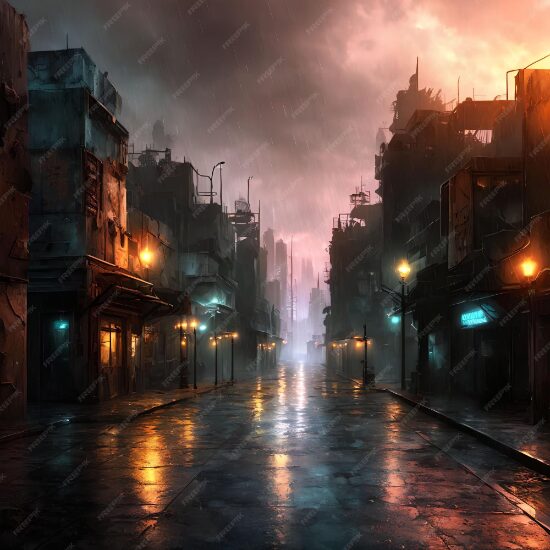
Not physically. People are present. They show up to work, scroll the feed, go through the motions. But the reaction — the pushback, the outrage in the street, the demand for answers — it’s quieter than it should be for the size of the disruption we’re living through.
I’ve been thinking about this. I lived through the 1960s. That era had its own version of upheaval — assassinations, war, civil rights battles fought in plain sight on American streets. The reaction was loud. Physical. You could feel it in a room before anybody spoke.
Today the disruption is bigger in scope. AI is reshaping work. Institutions are losing trust faster than they can rebuild it. The economic ground keeps shifting under people who are already tired. The cultural fracture runs deep. By any honest measure, what we are living through right now qualifies as serious upheaval.
So why does it feel quieter?
Here is what I think is happening. In the 60s, disruption came in waves. One event landed. People reacted. Then the next wave came. There was space between the shocks — enough time to feel something, name it, and respond to it.
Today the feed never stops. By the time you process one thing, three more have replaced it. The alarm never gets a chance to fully register before it’s buried. What looks like composure from the outside is something closer to a person underwater — not calm, just unable to surface long enough to breathe.
That’s the drowning effect. Not anger. Not acceptance. Overload that mimics both at the same time.
There’s a second piece to this. The disruption of the 60s was physical and visible. A draft notice was paper in your hand. A fire in a city neighborhood had smoke you could see from miles away. You could point to the thing that was wrong. You could march toward it or away from it.
This disruption is largely invisible. Algorithms make decisions about your livelihood inside systems no one fully understands. The displacement is real but it arrives without a face. Hard to push back against something you cannot point to. Hard to organize around something that has no address.
And underneath all of it — cause and effect no longer travel in a straight line. The economic pressure feeds the cultural fracture. The cultural fracture feeds the institutional distrust. The institutional distrust feeds the political paralysis. The paralysis feeds the next wave of disruption. They all interact at the same point, simultaneously, and nobody gets clean air long enough to sort out which came first.
That is what makes this moment different from what I remember. Not that people don’t feel it. They feel it. But the mechanisms that used to convert feeling into reaction — the town square, the shared alarm, the moment of collective recognition — those have been diffused. Social media performs outrage and disperses it at the same time. Loud and gone in the same breath.
The fire is real. It just doesn’t have a town square anymore.
What do you do with that? I think you start by naming it accurately. Overload is not composure. Numbness is not acceptance. And the fact that the streets are quieter than they were in 1965 does not mean the pressure isn’t building.
It means we haven’t found the new town square yet.
Post Library – Intelligent People Assume Nothing
Unauthorized commercial use prohibited.
© 2026 The Faust Baseline LLC