The Path They Stood On
In the early 1930s, there were no motivational slogans taped to kitchen walls.
There was flour dust on the table.
Coal dust on cuffs.
And worry that sat heavy in the room after the lamp went out.
When the stock market crashed in 1929, it didn’t just shake banks. It shook identity. Men who had worn suits every day found themselves without work. Farmers who had counted on steady harvests watched prices collapse. Families that thought they were stable realized stability was thinner than they believed.
By 1933, unemployment in the United States had climbed to roughly 25%. One in four workers. That is not a statistic you scroll past. That is a neighbor. A brother. A father.
The names that history remembers are familiar — Franklin D. Roosevelt, the New Deal, eventually World War II — but those came later in the daily rhythm of survival. Before policy came posture.
And posture is what carried people.
They stood in bread lines. Quietly.


No one posed for pride in those lines. Many wore their best coats even when the elbows were thin. There was humiliation in it. But there was also resolve. The attitude was not, “This should not be happening.” The attitude was, “This is happening. What do we do next?”
That difference matters.
Homes changed. Not with drama. With discipline.
Clothes were patched. Fabric was turned inside out to make it look new. Flour sacks became dresses. Nothing was thrown away without a second thought. The idea of “waste” was almost moral language. You did not waste because waste meant disrespecting effort.
Children saw it all. They learned early that money did not appear by magic. They heard the conversations after supper when parents thought they were asleep. They learned that lights were turned off because electricity cost something. They learned that food was finished because someone worked for it.
That generation did not romanticize hardship. They endured it.
Community became practical, not sentimental. If a neighbor slaughtered a hog, it was shared. If someone had a truck, others borrowed it. Barter replaced cash. Churches and local groups became stabilizers because isolation was dangerous. You could not survive alone easily. Pride existed, but survival outranked pride.
There was anger in the country. There was fear. But most households were not daily theaters of outrage. They were workshops of adjustment.
People took whatever work appeared. Skilled men dug ditches. Farmers moved west hoping for better soil. Some followed the agricultural migrations made famous in photographs and novels. They were not chasing dreams. They were chasing continuity.

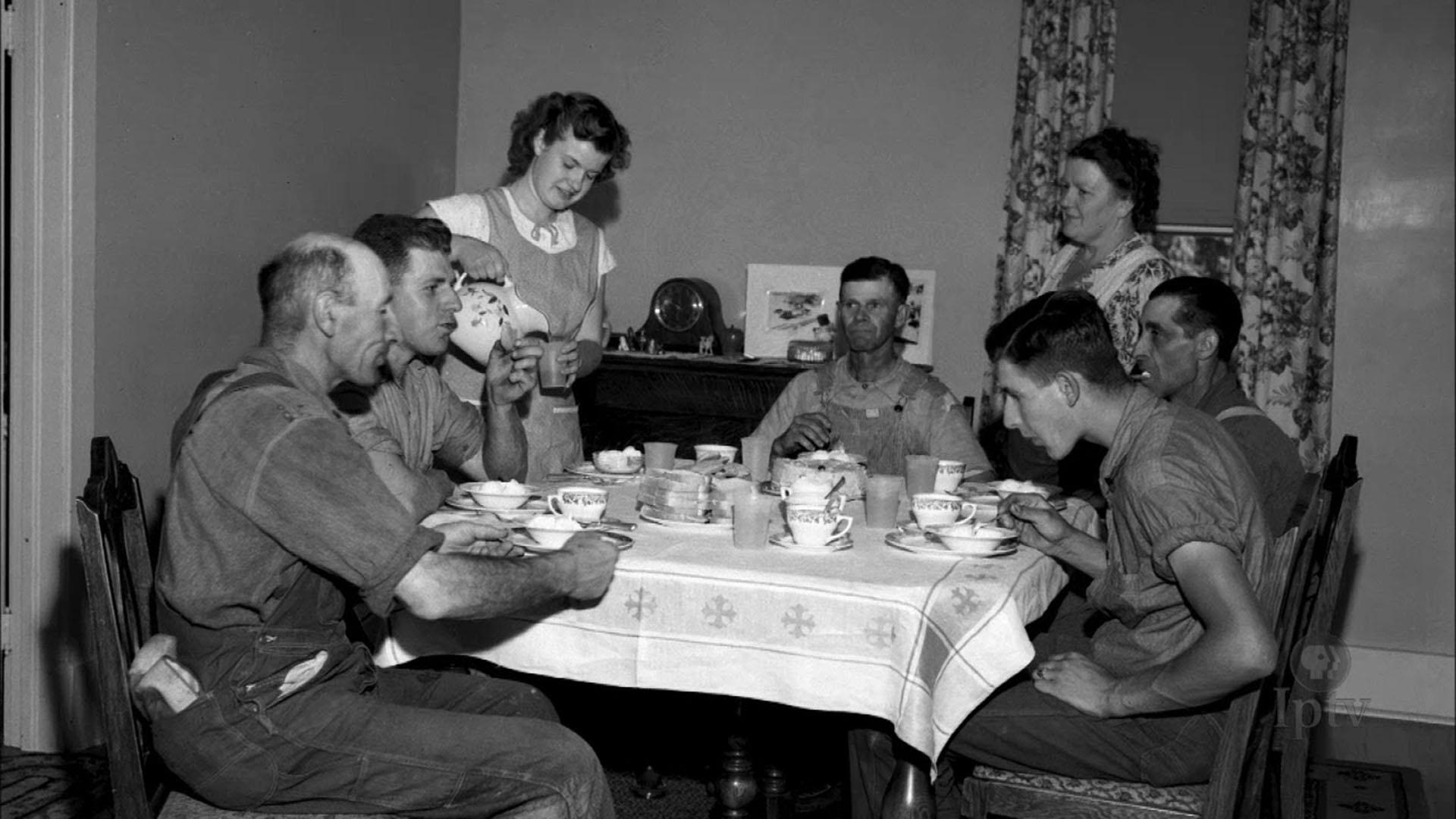
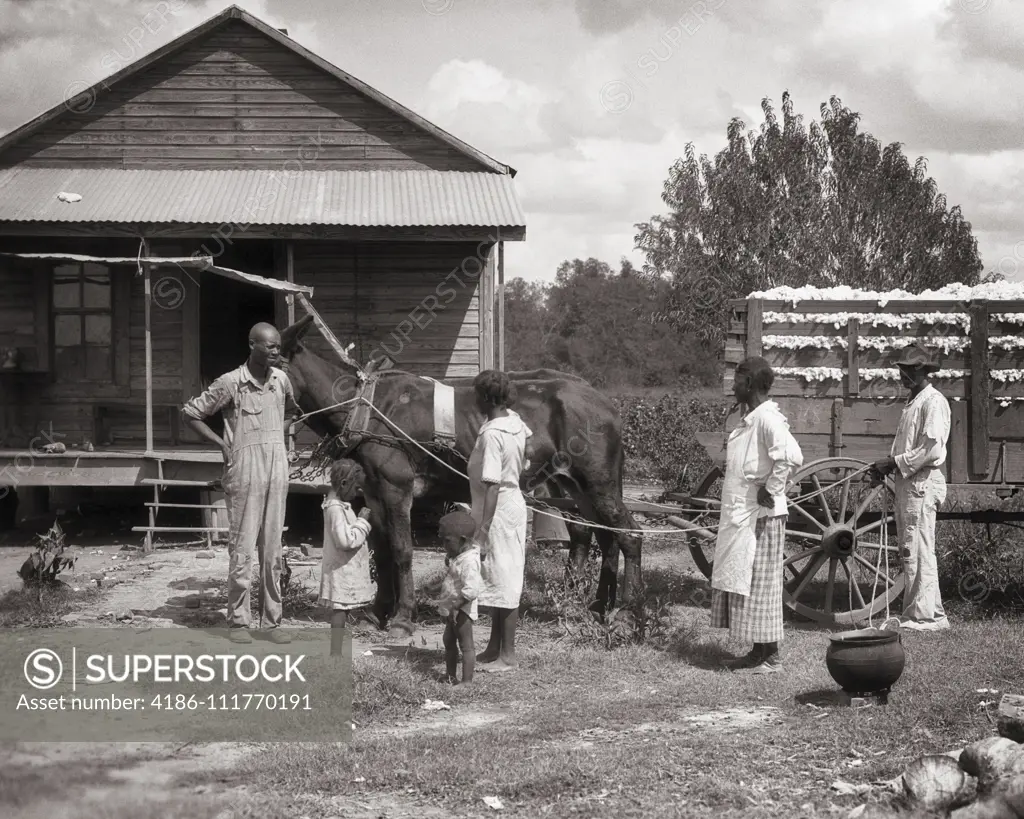

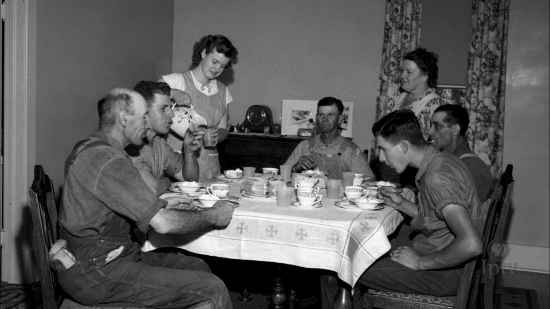
The emotional tone inside many homes was something modern culture rarely practices: quiet endurance.
Not loud optimism. Not theatrical despair.
A steady, grounded sentence that lived under the surface:
“This is bad. We will manage.”
Faith played a role for many families. Not abstract debate. Daily grounding. A belief that struggle was part of a larger story and that character mattered even when bank accounts did not.
And character did matter.
That generation saved string. Saved jars. Saved buttons. They carried forward habits that looked extreme to their children in the 1950s and 60s. But those habits were not paranoia. They were memory.
They had seen the floor.
When Franklin D. Roosevelt spoke about fear itself, people listened because they already knew fear personally. Policy programs under the New Deal created work and infrastructure, but those programs met a population that was already standing upright. The government did not invent endurance. It encountered it.
And when World War II arrived, the country mobilized with astonishing speed. Factories converted. Rationing was accepted. Bonds were purchased. The habits formed during economic hardship translated directly into national discipline.
Endurance had already been trained.
What defined them at the core was not ideology. It was responsibility.
Feed the family.
Keep the roof intact.
Wake up tomorrow and try again.
There is something almost plain about that. No dramatic language. No grand performance.
Just work.
If you ask what the personal attitude was, it comes down to this:
Hard times are part of life.
Complaining does not change them.
Steady action might.
That is the path they stood on.
And when you look at who we are at our core — not at our loudest, not at our most distracted — that path is still under our feet. Endurance is not something imported by policy or rescued by war. It is built in kitchens. In barns. In workshops. In families that decide to hold together when conditions fracture.
The Great Depression did not create strength. It revealed it.
And that revelation is part of our inheritance.
micvicfaust@intelligent-people.org
Unauthorized commercial use prohibited.
© 2026 The Faust Baseline LLC