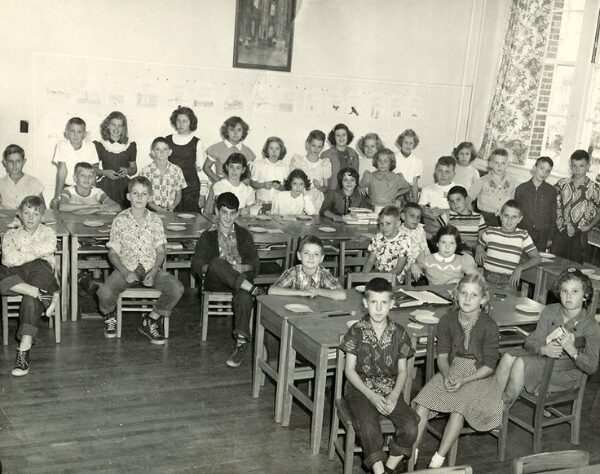
There used to be time that didn’t need to be filled.
Not scheduled.
Not optimized.
Not “productive.”
Just time.
Sitting on a porch.
Waiting in a doctor’s office.
Driving without audio.
Standing in line without reaching for a screen.
Nothing dramatic was happening.
And that was the point.
Somewhere along the way, stillness became suspicious.
If you’re not consuming something,
learning something,
responding to something,
fixing something—
it feels like you’re wasting something.
That shift happened quietly.
No law was passed.
No speech was given.
We just stopped tolerating empty space.
Now every pause gets patched.
A phone appears.
A notification buzzes.
A thought gets interrupted before it can finish forming.
We say we’re overwhelmed.
But we rarely allow the conditions that reduce overwhelm.
Silence used to be normal.
Now it feels uncomfortable.
And here’s the strange part:
The body still needs it.
Not metaphorically.
Physically.
Your nervous system resets in stillness.
Your thinking deepens in boredom.
Your clarity sharpens when input slows.
But most people don’t remember what that feels like anymore.
They remember the stimulus.
They remember the speed.
They remember the next thing.
What they’ve forgotten is what happens when nothing happens.
You can test this.
Sit in a quiet room for five minutes.
No music.
No phone.
No task.
Just sit.
Most people will reach for something within ninety seconds.
Not because they need it.
Because they’re uncomfortable.
Stillness now triggers agitation.
That wasn’t always true.
There was a time when thinking wasn’t multitasked.
When conversations had gaps.
When decisions took a night.
When waiting wasn’t failure—it was part of the process.
Boomers remember this.
Gen X barely remembers it.
Younger generations inherited a world where silence was already shrinking.
This isn’t about blaming technology.
It’s about noticing what disappeared.
When you remove stillness from a culture, you remove digestion.
And when digestion disappears, reaction increases.
We react more because we reflect less.
We scroll instead of consider.
We answer instead of absorb.
We move instead of measure.
That changes the tone of everything.
It changes how we argue.
How we vote.
How we spend.
How we raise children.
How we interpret news.
Because without pauses, there’s no space between stimulus and response.
And without that space, judgment gets thin.
You can feel it.
Conversations feel faster but less resolved.
Decisions feel urgent but less certain.
Everything feels “next.”
Very little feels finished.
That’s not just cultural.
It’s neurological.
The human brain was not designed for constant interruption.
It was built for rhythm.
Work.
Pause.
Reflect.
Act.
We’ve cut out the pause.
And now we’re surprised that everything feels unsteady.
This might sound small.
It isn’t.
A society that cannot sit still cannot think deeply.
And a culture that cannot think deeply becomes easier to steer.
Not by force.
By momentum.
Here’s the part no one says out loud:
Stillness is resistance.
Choosing not to react immediately is power.
Letting a headline sit overnight is strength.
Taking a day before answering is discipline.
Closing the phone and staring out a window is not laziness.
It’s recalibration.
We’ve been trained to treat constant input as engagement.
But constant input without reflection creates fatigue.
And fatigue makes people careless.
If something feels off in the culture, this is part of it.
We stopped allowing quiet.
We filled every margin.
We turned boredom into something to eliminate.
But boredom used to be where imagination lived.
And imagination is where solutions start.
So maybe the next correction isn’t louder speech.
Maybe it’s fewer words.
Maybe it’s not more action.
Maybe it’s deliberate pause.
You don’t need to unplug from the world.
You don’t need to reject technology.
You just need to reclaim small stretches of nothing.
Five minutes without input.
A walk without audio.
A meal without scrolling.
A thought allowed to finish.
That’s not nostalgic.
It’s stabilizing.
When did we stop sitting still?
Maybe that’s the better question.
And maybe the quietest move right now
is the strongest one.
micvicfaust@intelligent-people.org
Unauthorized commercial use prohibited.
© 2026 The Faust Baseline LLC