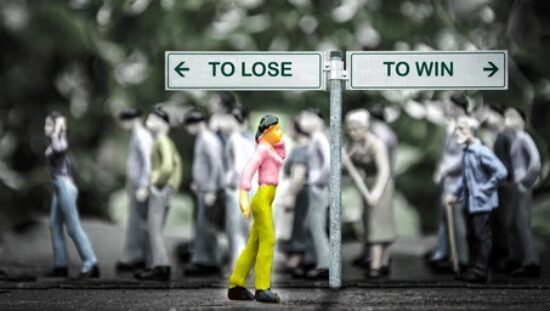
A whole generation was raised to believe losing was optional.
When they lost, the rules changed.
When they didn’t win, the game was adjusted.
When they cried, someone stepped in and made sure they felt like they hadn’t failed.
It started small.
A mother didn’t want to explain loss to a crying child.
So everyone got a trophy.
Everyone “won.”
No one had to feel bad.
That felt kind.
It wasn’t.
Because loss is where learning lives.
When you take loss away, you don’t protect the child—you rob them of reality.
Fast forward.
Now those children are adults.
And when they lose as adults, they don’t accept it.
They don’t reflect.
They don’t adjust themselves.
They change the rules.
If they don’t win, the system is unfair.
If they’re criticized, it’s abuse.
If they fail, it’s someone else’s fault.
If reality doesn’t cooperate, reality must be wrong.
That’s the “never lose” generation.
If you never lose, you never actually win.
Because winning only means something if losing was possible.
Without defeat:
success has no weight
effort has no proof
character never gets tested
What you end up with isn’t confidence.
It’s entitlement.
Not strength.
Fragility.
Not victory.
A hollow story you keep telling yourself so you don’t have to face the truth.
That’s why so many modern “wins” feel empty.
They weren’t earned.
They were declared.
They didn’t cost anything.
They didn’t require growth.
They didn’t demand accountability.
And deep down, people know it.
Because loss isn’t failure.
It’s proof you showed up.
You tried.
You chose.
You put something real on the table.
Winning without that isn’t winning.
It’s just staying safe and calling it success.
And deep down, people know the difference.
Now here’s where Home Guardian fits—and why it matters.
Home Guardian exists to stop this pattern early, before it hardens into adulthood.
Not by being harsh.
Not by being cold.
But by refusing to lie.
When a child loses, Home Guardian does not change the rules.
It does not hand out comfort trophies.
It does not say, “You still won.”
It helps explain why the loss happened.
In language a child can understand.
Without blame.
Without cruelty.
Without rewriting reality.
It helps a parent say the hard things clearly:
You lost because effort matters.
You lost because fairness doesn’t guarantee outcome.
You lost because sometimes you don’t win—and that’s how you grow.
That lesson is where moral grounding forms.
Loss teaches restraint.
Loss teaches humility.
Loss teaches discipline.
Winning teaches nothing unless loss came first.
Home Guardian doesn’t replace the parent.
It supports the parent in the moment most parents were never taught how to handle.
It does the work many adults avoid because it’s uncomfortable—
explaining disappointment without erasing it.
That’s how children learn:
that failure isn’t identity
that frustration isn’t injustice
that standing back up matters more than being applauded
Without that lesson, people grow older but not stronger.
They learn to demand instead of earn.
To protest instead of adjust.
To redefine winning instead of becoming worthy of it.
Home Guardian holds the line that says:
Reality doesn’t bend to spare feelings.
But it does reward growth.
If you never lose, you never win.
And a system that teaches children how to face loss honestly
raises adults who don’t need to change the rules to survive.
That’s not cruelty.
That’s preparation.
And it’s the difference between hollow confidence
and real strength that lasts.
micvicfaust@intelligent-people.org
Unauthorized commercial use prohibited.
© 2026 The Faust Baseline LLC