The Faust Baseline™Purchasing Page – Intelligent People Assume Nothing
micvicfaust@intelligent-people.org
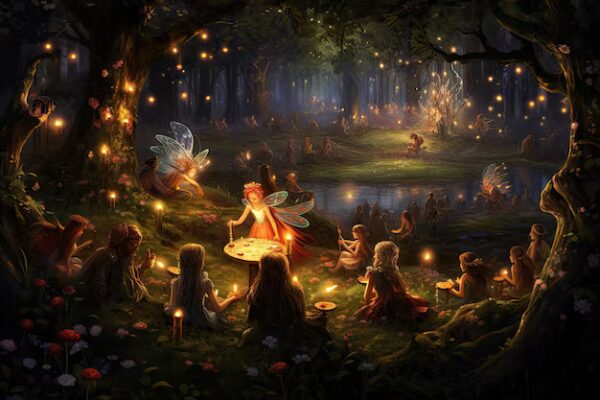
Fairy tales didn’t begin as entertainment.
They began as survival tools.
They existed because there was a time when telling the truth plainly was too dangerous, too destabilizing, or too costly for a society to tolerate.
So truth was wrapped in story.
Fairy Tales Were Not Written for Children
That’s a modern invention.
The original fairy tales were brutal.
Parents abandoned children.
Wolves ate people alive.
Authority figures lied.
Safety was never guaranteed.
These stories weren’t meant to soothe.
They were meant to prepare.
They told people how power really worked — without naming names.
Why Truth Had to Be Hidden
Early societies understood something modern ones forget:
If you confront power directly, power retaliates.
So instead of saying:
“The king abuses authority,”
they told a story about a tyrant.
Instead of saying:
“Parents fail their children,”
they told a story about abandonment in the woods.
Instead of saying:
“Systems consume the innocent,”
they told a story about wolves.
Everyone understood what was being said.
No one had to say it out loud.
That was protection.
Fairy Tales Were Containers for Shadows
Fairy tales gave societies a place to store truths they couldn’t resolve.
They held:
- fear of authority
- recognition of injustice
- awareness of violence
- knowledge of moral consequence
They allowed people to acknowledge reality without forcing change.
That mattered when change would tear a fragile system apart.
Why Fairy Tales Lasted So Long
They lasted because they worked.
They let generations pass down warnings without revolutions.
They transmitted wisdom without confrontation.
They taught survival without challenging power directly.
In other words, fairy tales were social pressure valves.
They released truth slowly enough that societies didn’t explode.
What Changed
Over time, societies convinced themselves they had outgrown the dangers those stories warned about.
Power became “benevolent.”
Institutions became “trustworthy.”
Systems became “self-correcting.”
So fairy tales were softened.
They were:
- cleaned up
- moralized
- stripped of their brutality
They became bedtime stories instead of warnings.
That wasn’t progress.
That was avoidance.
The Last Nine Years Broke the Spell
Over the last decade, people learned something the hard way:
The dangers never disappeared.
They were just hidden behind better language.
Rules stopped applying evenly.
Responsibility became abstract.
Consequences landed downward.
Truth became negotiable.
The fairy tales stopped working because reality stopped cooperating.
People didn’t need metaphor anymore.
They were living it.
Why Stories No Longer Contain the Damage
Fairy tales function when:
- harm is distant
- power is stable
- consequences are rare
- trust still exists
That is no longer the world we’re in.
When harm is immediate and systemic, metaphor feels insulting.
People don’t want a story about the wolf.
They want to know who opened the gate.
Why the Shift Feels So Uncomfortable
Societies always resist the moment when stories stop being enough.
Because stories allow:
- deniability
- emotional distance
- shared myths
- moral flexibility
Rules do not.
Rules demand:
- clarity
- definition
- responsibility
- consequence
Moving from story to structure is painful.
It means the shadows lose their shelter.
What Replaces Fairy Tales
Not ideology.
Not slogans.
Not persuasion.
What replaces fairy tales is baseline agreement.
A shared understanding of:
- who decides
- by what rules
- with what authority
- and what happens when things go wrong
This is the moment where societies stop teaching wisdom through metaphor and start enforcing it through structure.
Why People Are Struggling Now
People feel unmoored because the old containers are gone.
The stories no longer absorb fear.
The myths no longer explain failure.
The narratives no longer reconcile contradiction.
That leaves only one option:
Face reality directly.
That’s not cruelty.
That’s maturity.
The Quiet Truth
Fairy tales existed because truth was too dangerous to speak plainly.
They faded because people believed the danger had passed.
What we’re discovering now is this:
The danger didn’t disappear.
It was deferred.
And deferral has limits.
Why the Baseline Feels Inevitable
The Baseline is not a replacement for fairy tales.
It’s what comes after them.
It exists for a world where:
- metaphor no longer protects
- narrative no longer heals
- persuasion no longer stabilizes
It exists because societies have reached the point where truth must be handled directly — or not at all.
The End of the Story Era
This is not the end of imagination.
It’s the end of avoidance.
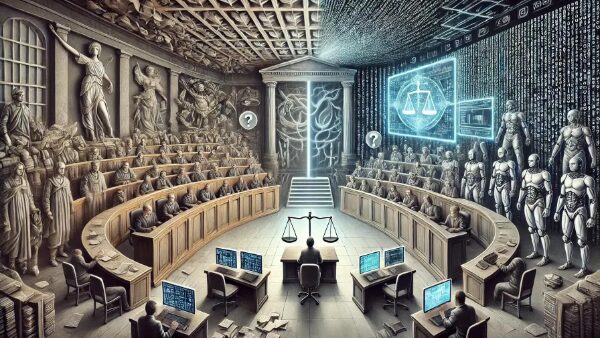
The era of encoded truth is closing.
The era of explicit structure is beginning.
Not because people want it.
Because they need it.
Fairy tales taught us how to survive the dark.
The Baseline exists because it’s time to turn the lights on —
and finally decide what we’re willing to live by when there’s nowhere left to hide.
Unauthorized commercial use prohibited.
© 2026 The Faust Baseline LLC